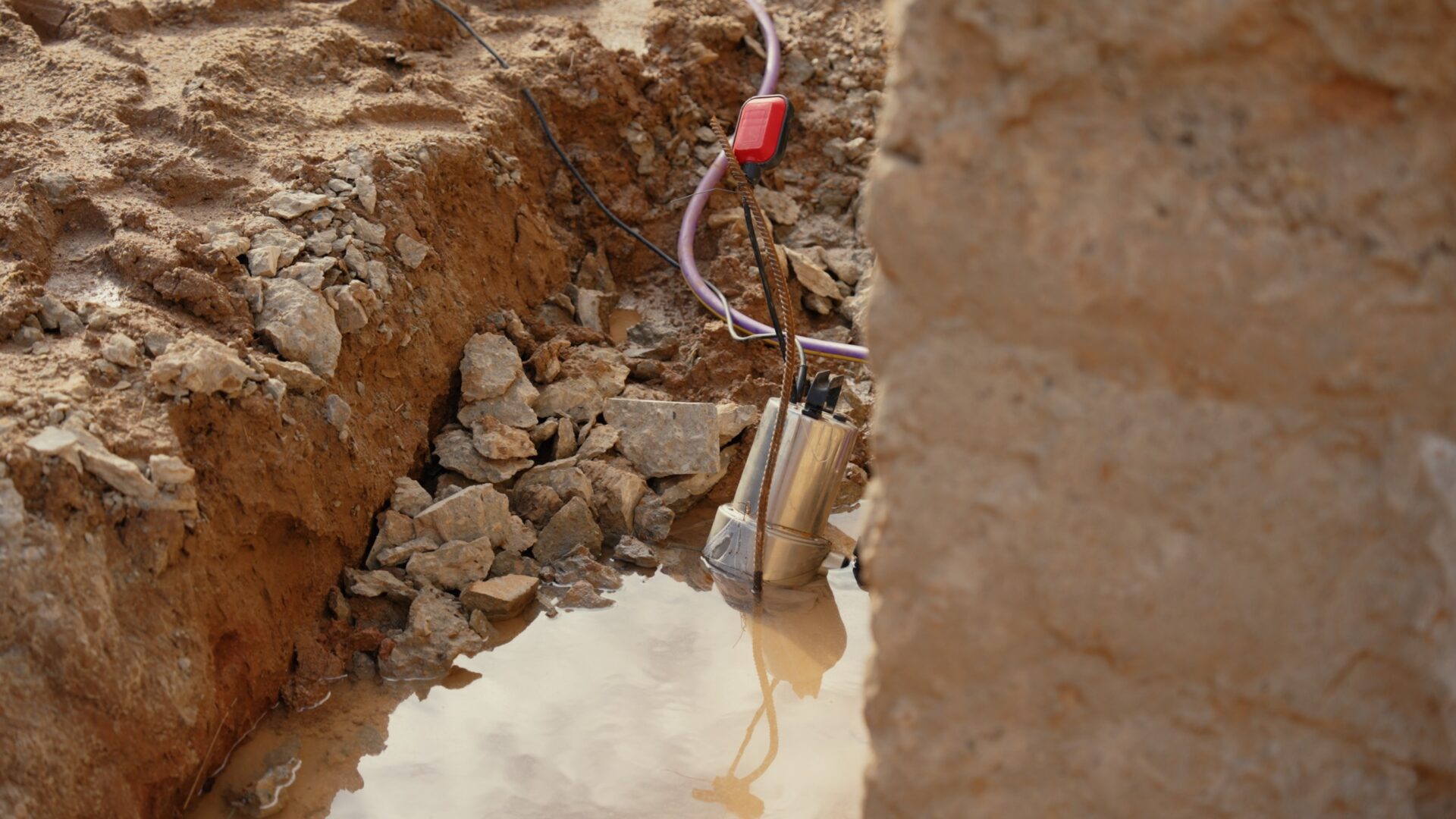
Got water where it shouldn’t be? That’s where dewatering comes in.
Whether you’re dealing with a flooded basement, a water-filled excavation, a plant room or a site that’s taken on more rain than expected, unwanted water can quickly become a problem.
A dewatering pump gives you a simple way to remove it, helping you keep working areas clear, protect equipment and get on with the job.
But with different pump types and specifications available, how do you know which one you actually need?
What is dewatering?
Dewatering is the process of removing unwanted water from an area.
It can be used across all sorts of applications, from construction and civil engineering to maintenance and flood recovery. You might need to drain an excavation before work can continue, remove water from a flooded basement or empty a tank before carrying out maintenance.
Common dewatering applications include:
- Construction sites and excavations
- Trenches and pits
- Flooded basements and plant rooms
- Sumps and chambers
- Tanks and containers
- General drainage and water transfer
The principle is straightforward: move unwanted water somewhere it can be safely discharged.
The pump you use to do that is where things get a little more interesting.
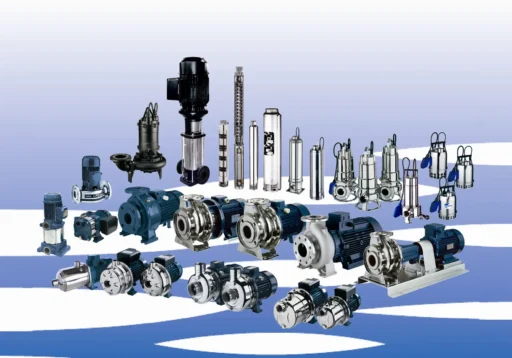
Types of dewatering pumps
There isn’t one pump that’s right for every dewatering job. The best option depends on the type of water you’re dealing with, how much you need to move and the conditions the pump will be working in.
Submersible pumps
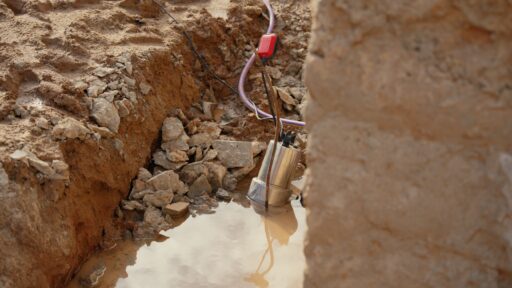
Submersible pumps are designed to operate directly in the water. You position the pump where the water has collected and connect the discharge outlet to a suitable hose or pipe.
They’re a popular choice for dewatering because they’re compact, easy to position and don’t require the pump to sit outside the area being drained.
They’re commonly used for excavations, basements, pits, tanks, flooded areas and general site drainage.
Drainage pumps
Drainage pumps are designed to handle water that may contain some dirt, sediment or small particles.
They’re useful for general dewatering where you’re not dealing with completely clean water, but there aren’t large solids that would require a more specialist solids-handling pump.
Exactly what a drainage pump can handle will vary between models, so check the manufacturer’s specification for the maximum solids size and the type of water it’s designed for.
Surface-mounted centrifugal pumps
Surface-mounted centrifugal pumps stay outside the water and draw water through an inlet hose before discharging it elsewhere.
They can be useful when a pump can’t be submerged or when you need to move water from an open source such as a ditch or tank.
With this type of pump, you’ll need to consider suction lift as well as the distance and height the water needs to travel.
Choosing the right dewatering pump
The biggest mistake you can make when choosing a dewatering pump is looking at the maximum flow rate and assuming that’s all you need to know.
Pump selection is about the whole application.
Start with the water itself. Is it clean? Does it contain silt, sand or sediment? Are there larger solids or debris? Different pumps are designed for different conditions, so getting this bit wrong can lead to blockages, poor performance or unnecessary wear.
Next, think about flow rate. If you need to remove a large volume of water quickly, make sure the pump can deliver the required flow under the conditions you’ll actually use it.
Then there’s head, which is essentially the height and resistance the pump needs to overcome to get the water where it needs to go. If you’re pumping water upwards, the vertical lift matters, but so does the pipework or hose. Long runs, narrow pipework, bends and fittings can all affect performance.
That’s why a pump’s maximum flow rate doesn’t necessarily tell you how much water it will move in your application. It’s worth checking the pump curve and looking at the flow available at your required head.
Why getting it right matters
Choosing a pump that’s too small can leave you waiting around while water continues to build up. Choose one that’s much larger than necessary and you could end up paying more for equipment and energy without gaining anything from it.
The aim is to match the pump to the job.
That means considering:
- What you’re pumping
- How much water needs moving
- How high and how far it needs to go
- What power is available
- How the pump will be installed and used
Get those details right, and you’re much more likely to have a pump that performs properly without overcomplicating the job.
Need a hand?
At Pumpify, we make choosing the right pump straightforward.
Tell us what you’re pumping, where the water needs to go and any information you have about flow, head and power supply. If you’re not sure about the technical details, that’s fine too.
We’ll help you work out what you need.