If your shower feels weak, taps take longer than they should, or everything drops off the moment someone else in the house turns a tap on, there is a good chance you are dealing with a water pressure or flow issue.
The frustrating part is that most people just live with it. You get used to it being “just how the house is.” In reality, it is often something that can be measured, understood, and usually improved.
So instead of guessing, here is a simple at-home test you can do in a few minutes to get a much clearer idea of what is going on.
Let’s start with what you notice in real life
Before you even get the jug out, do a quick real-world check.
Run your shower as you normally would, then turn on a tap somewhere else in the house at the same time.
Now pay attention to what happens:
- Does the shower pressure noticeably drop?
- Does the tap slow down or feel restricted?
- Does everything feel like it is struggling to keep up?
If yes, that is often the first sign your system is not properly maintaining flow under demand.
If nothing really changes and everything stays steady, you might not have a major issue. It is still worth doing the next step anyway, so you have a proper measurement rather than just a feeling.
Step one: Isolate the system
To get a fair reading, you need to make sure nothing else is influencing the result.
Before you start the test, check that:
- Washing machine is not running
- Dishwasher is off
- No other taps are on in the house
- Showers and baths are not running elsewhere
The idea is simple. You are trying to measure the performance of a single cold tap without any competing demand in the background.
If other appliances are running, you will almost always get a worse result than reality, which makes the test unreliable.
Step two: Set up your test properly
Now grab a 1-litre jug or any container with a clear 1L marking.
Place it under your cold kitchen tap. This is usually the best place to test because it is typically fed directly from the mains in most homes.
Then fully open the tap to maximum flow.
Do not half-open it or adjust it until it feels right. This test only works if you are measuring the full available flow.
At this point, you are ready to time it.
Step three: Time the fill
Start your timer the moment water begins flowing into the jug.
Then let it run until it reaches the 1-litre mark.
That is your result.
There is no need to overthink this. This is just about getting a practical, real-world flow rate from your system in the simplest way possible.
Step four: Understand your result
If your jug fills in under 6 seconds, your water flow rate is generally considered acceptable.
That roughly translates to around 10 litres per minute, which is the typical benchmark for a healthy domestic water supply.
In everyday terms, that usually means:
- Showers feel comfortable and consistent
- Taps run without noticeable restriction
- Appliances perform normally
It’s not perfect, but it is a solid baseline for most homes.
Water Flow Rate Calculator
Step five: If it takes longer than 6 seconds
If it takes more than 6 seconds to reach the 1-litre mark, your flow rate is on the low side.
That doesn’t automatically mean something is broken, but it does explain a lot of common frustrations homeowners experience, such as:
- Showers that feel weak or inconsistent
- Sinks and baths that take longer to fill
- Noticeable drops in performance when multiple outlets are used
At that point, you're typically looking at a system that is delivering below the ideal 10 litres per minute benchmark.
What causes low water pressure?
If your test suggests an issue, there are a few common causes.
Mains water supply limitations
Some homes simply don't receive strong incoming pressure. This is especially common in older properties or those at the end of a supply line.
Internal restrictions
Over time, pipework and fittings can restrict flow. Scale build-up, partially blocked valves, or ageing pipe systems can all reduce performance without obvious signs.
System design
Many homes, particularly older ones, were designed for much lower water demand than we have today. Multiple bathrooms, power showers, and appliances running at the same time can quickly expose these limitations.
High simultaneous demand
If several outlets are used at once, the system may struggle to keep up, even if everything is technically working correctly.
Gravity-fed systems
Many traditional UK homes use gravity-fed systems, which produce lower pressure compared to modern mains-pressurised setups. It is not necessarily faulty, just limited by design.
What this test actually gives you
We need you to understand that this isn't a technical certification or a full diagnostic. It’s just a quick, practical way to understand how your system is performing right now.
It helps answer a simple but important question:
“Is my water system delivering what it should, or is something holding it back?”
If the result is good, you have peace of mind.
If it isn't, you now have a measurable starting point instead of just a feeling that something is not right.
Water pressure issues are often ignored until they become genuinely frustrating. Small performance drops can point to larger inefficiencies in your system.
By doing this test, you are getting a snapshot of how well your home’s water system is functioning right now, without needing any specialist tools.
It also helps you distinguish between:
- A genuine system issue
- Temporary usage-related pressure drops
- Normal variation in flow
That clarity makes it much easier to decide what to do next.
Where pumps come in
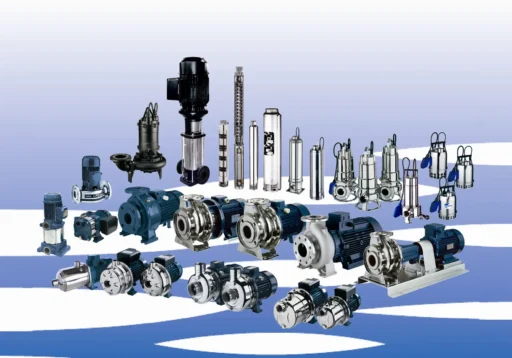
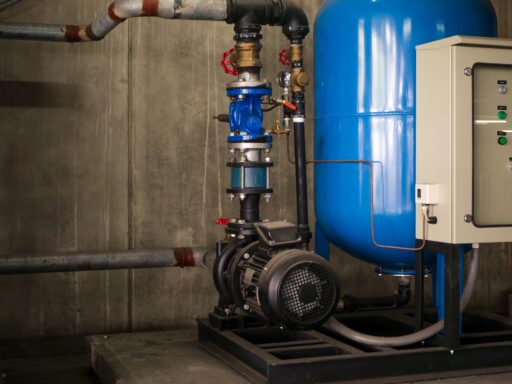
If your flow rate is consistently below the expected level, that’s where pumps can make a real difference.
Depending on the property and setup, a pump can help:
- Boost pressure in gravity-fed systems
- Improve flow to multiple bathrooms
- Stabilise performance when demand increases
- Support appliances that are not receiving enough water
The key is matching the right pump to the actual problem, whether that’s low incoming pressure, system resistance, or demand exceeding supply.
Final thoughts
Most water pressure issues develop slowly over time, which is why they often go unnoticed. You adapt to them without realising there’s a measurable difference between “normal” and “underperforming.”
This simple 1-litre test takes a couple of minutes but gives you a much clearer picture of what your system is actually doing.
Once you know that, everything else becomes easier to diagnose and fix, whether that’s a minor plumbing adjustment or a home-boosting pump to bring everything back up to where it should be.