More often than not, pumps will give you a few warning signs before they fail entirely. Catching those early can save you money, prevent unexpected downtime, and help you avoid a much bigger repair bill.
Whether it’s a shower pump, booster pump, sump pump or something more heavy-duty, here are seven signs it might be time for a repair (or even a replacement).
1) It’s Leaking
A small drip might not seem like much, but leaks rarely fix themselves.
They can be caused by:
- Worn seals or gaskets
- Damaged pipe connections
- Corrosion
- A cracked pump housing
Even a small leak can start to affect performance over time, so it’s worth looking into before it becomes a bigger problem.
2) It’s Making Unusual Noises
Pumps aren’t silent, but they should sound consistent.
If you suddenly notice grinding, rattling, humming or squealing noises, something probably isn’t right.
Common causes include:
- Worn bearings
- Loose components
- Debris inside the pump
- Cavitation
Ignoring strange noises can often lead to more expensive damage later on, so don’t sit on it.
3) It’s Running Hot
If your pump feels unusually hot or frequently overheats, don’t ignore it.
Overheating is often caused by:
- Blocked impellers
- Poor ventilation
- Electrical issues
- Running dry
- Overloading
Continued overheating can shorten the life of the motor and eventually lead to complete failure.
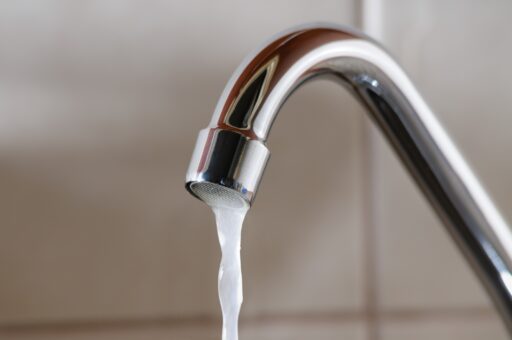
4) Water Pressure Has Dropped
Weak showers.
Slow-filling taps.
Poor water flow.
If you’ve noticed a gradual pressure drop, it could well be that your pump is struggling.
Possible causes include:
- Blocked filters
- Pipe restrictions
- Internal wear
- Airlocks
- Incorrect pump sizing
The harder a pump has to work, the more strain it places on its components.
5) It Isn’t Performing Like It Used To
Sometimes the signs are more subtle.
You may notice:
- Longer fill times
- Slower water circulation
- More frequent cycling
- Reduced overall performance
These changes often happen gradually, making them easy to overlook.
If your pump simply isn’t keeping up anymore, it could just be reaching the end of its working life.
6) Your Energy Bills Are Increasing
An ageing or inefficient pump often consumes more electricity than it should.
If your pump is working harder to deliver the same performance, your running costs may begin to rise without you realising.
Replacing an older pump with a modern, energy-efficient model could help reduce those costs over time.
7) It’s Constantly Breaking Down
Occasional maintenance is normal. Repeated repairs aren’t.
If you’re calling someone out every few months or replacing parts regularly, it’s worth asking whether investing in a new pump would be the more cost-effective option.
Sometimes replacing the pump is actually cheaper than continuing to repair it.
So, Should You Repair or Replace?
Unfortunately, there’s no single answer here; it depends on the condition of the pump.
A repair is usually worthwhile if:
- The pump is relatively new.
- The issue is minor.
- Replacement parts are readily available.
Replacing the pump may be the better option if:
- It’s reaching the end of its lifespan.
- Repairs are becoming more frequent.
- Performance has noticeably declined.
- Energy efficiency is poor.
If you’re unsure, getting expert advice can help you avoid spending money on unnecessary repairs. However, if you do need a replacement, you can find exactly what you’re after at Pumpify.